

Have you ever bought a piece of furniture you loved in the store, only to find it looked out of place at home? Or saved hundreds of room photos and then realized you couldn’t say what they had in common?
The missing piece is usually a design style. Knowing yours won’t box you in. It gives you a filter, so decisions about paint, furniture, lighting, and hardware feel easier and more cohesive. This post covers what design styles are, how they shape decisions in your home, and the 11 styles you’ll meet in the quiz at the end.
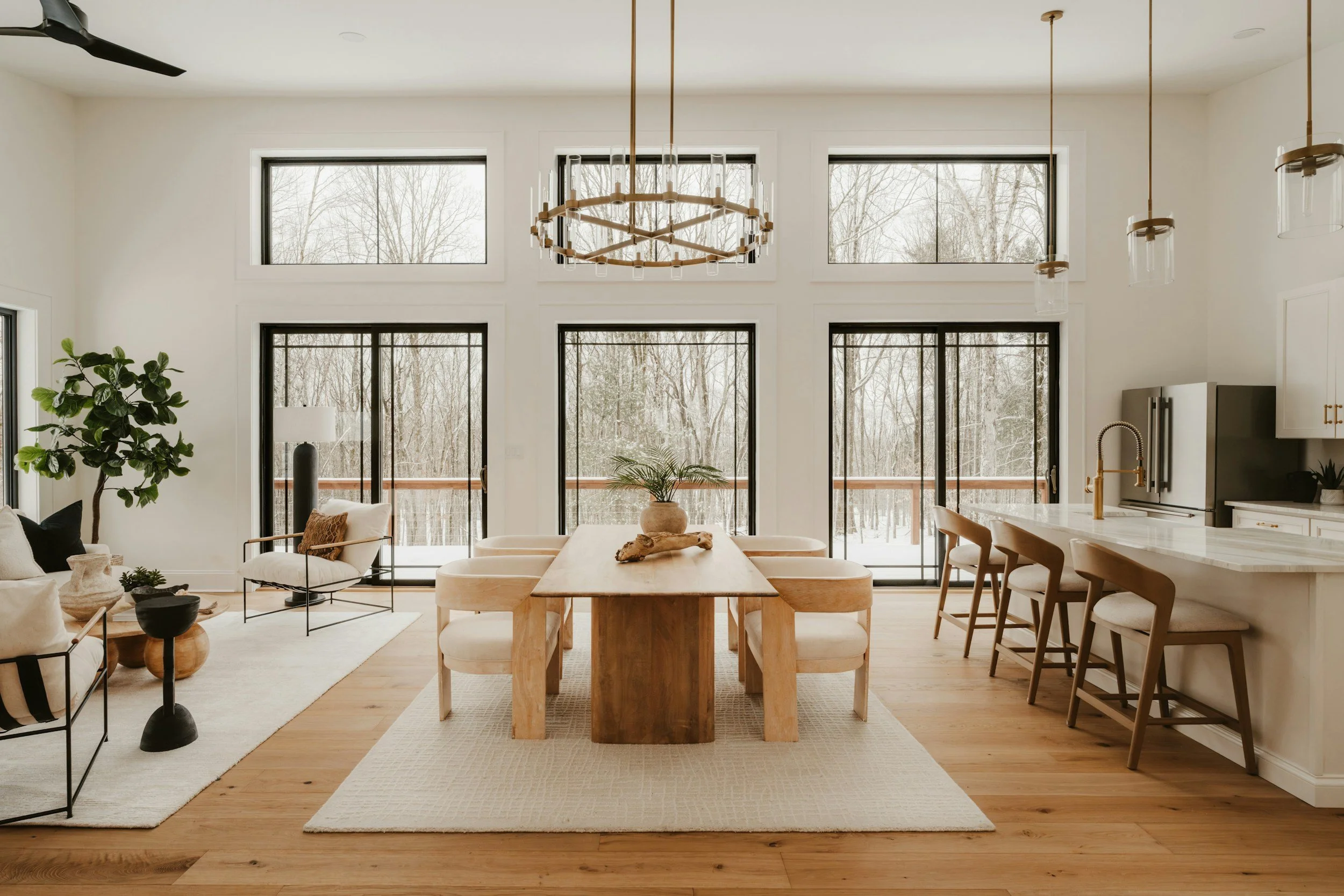
What Is a Design Style, Really?
A design style is a recognizable set of choices about color, shape, material, texture, and layout that tend to show up together. Most styles grew out of a specific time, place, or way of living. Scandinavian design reflects long, dark winters and the need for bright, cozy interiors. Industrial style grew out of converted factories and warehouses. Mid-century modern came from post-war optimism and new manufacturing techniques.
Think of a style as a shared vocabulary. When a designer says “coastal,” you know roughly what to expect, even though no two coastal homes look identical.
A few things are worth keeping in mind:
Styles are guides, not rules. Very few homes are 100% one style, and the best ones usually blend.
Styles have a feel, not just a look. Calm, cozy, bold, airy, and polished are all feelings a style tries to create.
Your style is about how you want to live, not just what you find pretty.
How Style Shapes Decision-Making at Home
Once you know your style, it works as a decision-making shortcut in a few ways.
It narrows your choices. Faced with a dozen sofas, knowing you lean toward clean lines and warm wood rules out the heavily tufted or ultra-glossy options right away.
It guides your palette. Styles come with color tendencies. Coastal leans toward soft blues and sandy neutrals, while Traditional favors deep greens, burgundy, and antique white. Starting from a style gives you a direction instead of a blank page.
It helps you choose materials and textures. Do you want pale oak and linen, or steel, worn leather, and exposed brick? Materials set the mood of a room more than almost anything else.
It extends to the small stuff. Even hardware follows style. Matte black pulls suit Industrial and Modern Farmhouse rooms, brushed brass belongs in Mid-Century Modern, and antique brass fits Traditional and Bohemian spaces. Details like these are what make a room feel finished.
It prevents expensive mismatches. The biggest purchases, like flooring, cabinetry, and large furniture, are the hardest to undo. A clear sense of style helps you invest in pieces that will still feel right in five years.
It makes mixing easier. Once you know your core style, you can add elements from a second one on purpose. A Modern Farmhouse kitchen with a mid-century pendant light looks intentional because you know which style leads and which one accents.
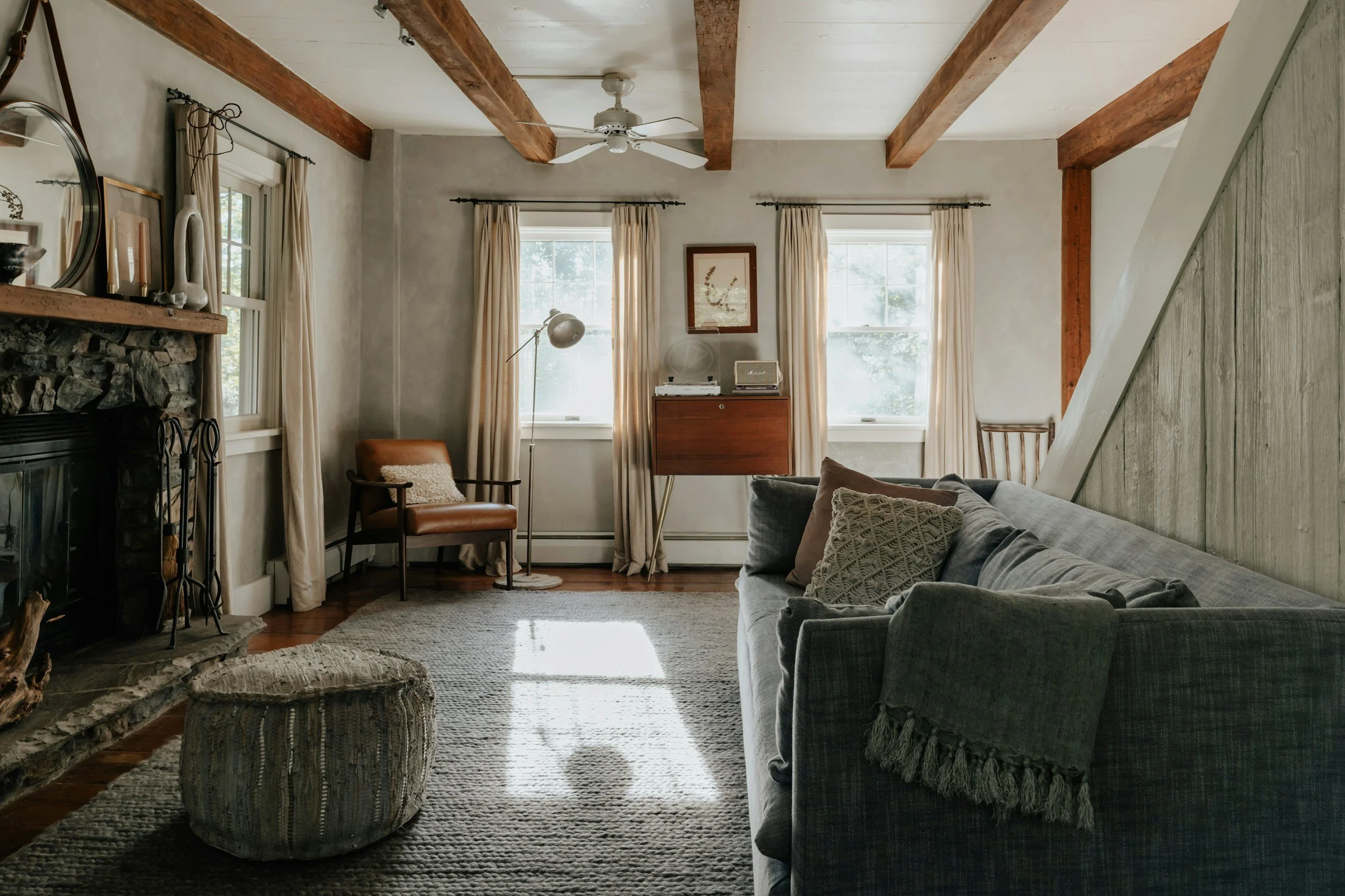
The 11 Design Styles
1. The Minimalist
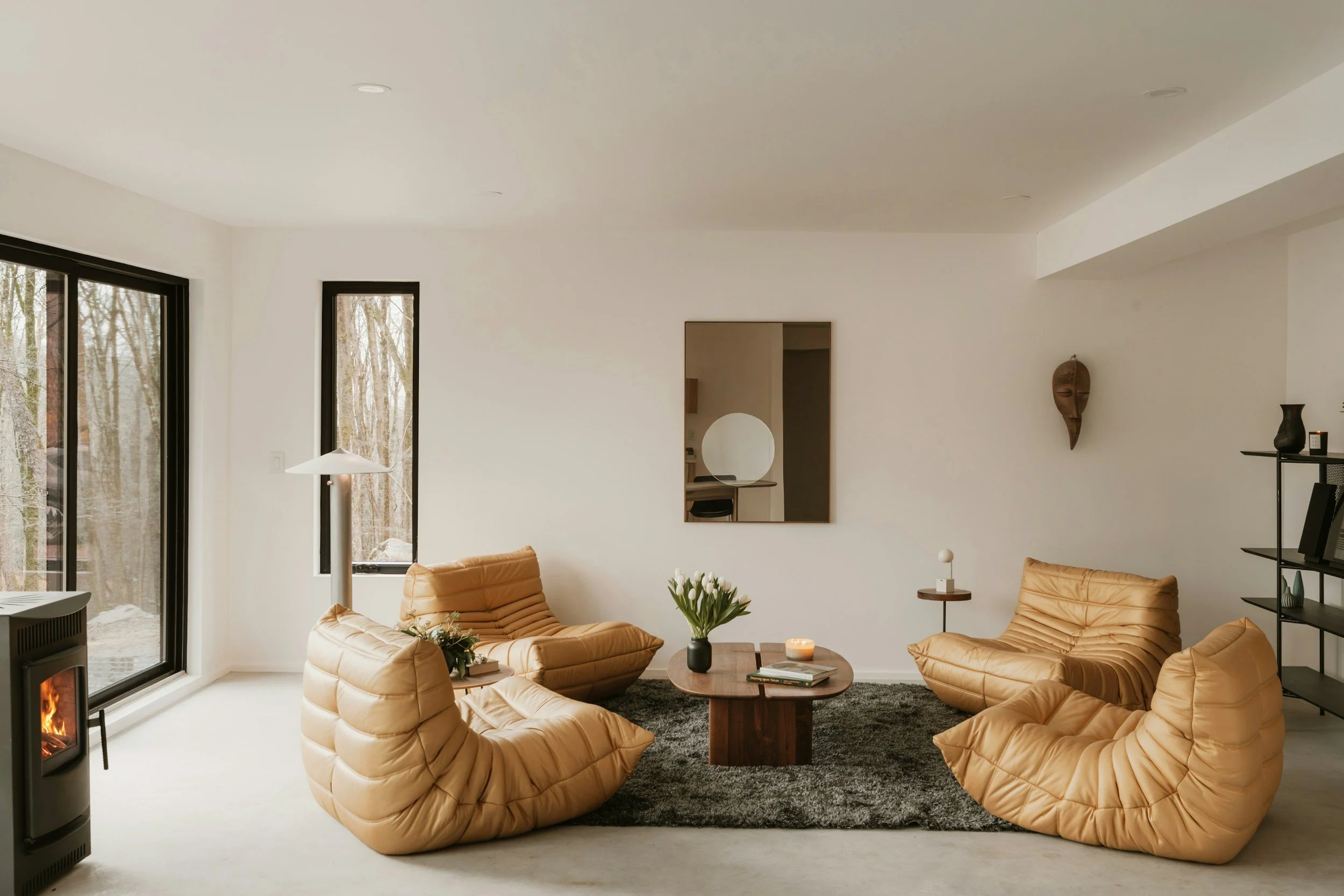
Minimalism takes “less is more” seriously. You edit until only the essentials remain, and every object left has earned its place. Palettes lean toward soft whites and warm grays, with materials like pale oak and linen and plenty of negative space. It’s ideal for people who find visual clutter stressful.
Key traits: extreme simplicity, calm and light palette, honest materials, open space, quality over quantity.
2. The Maximalist
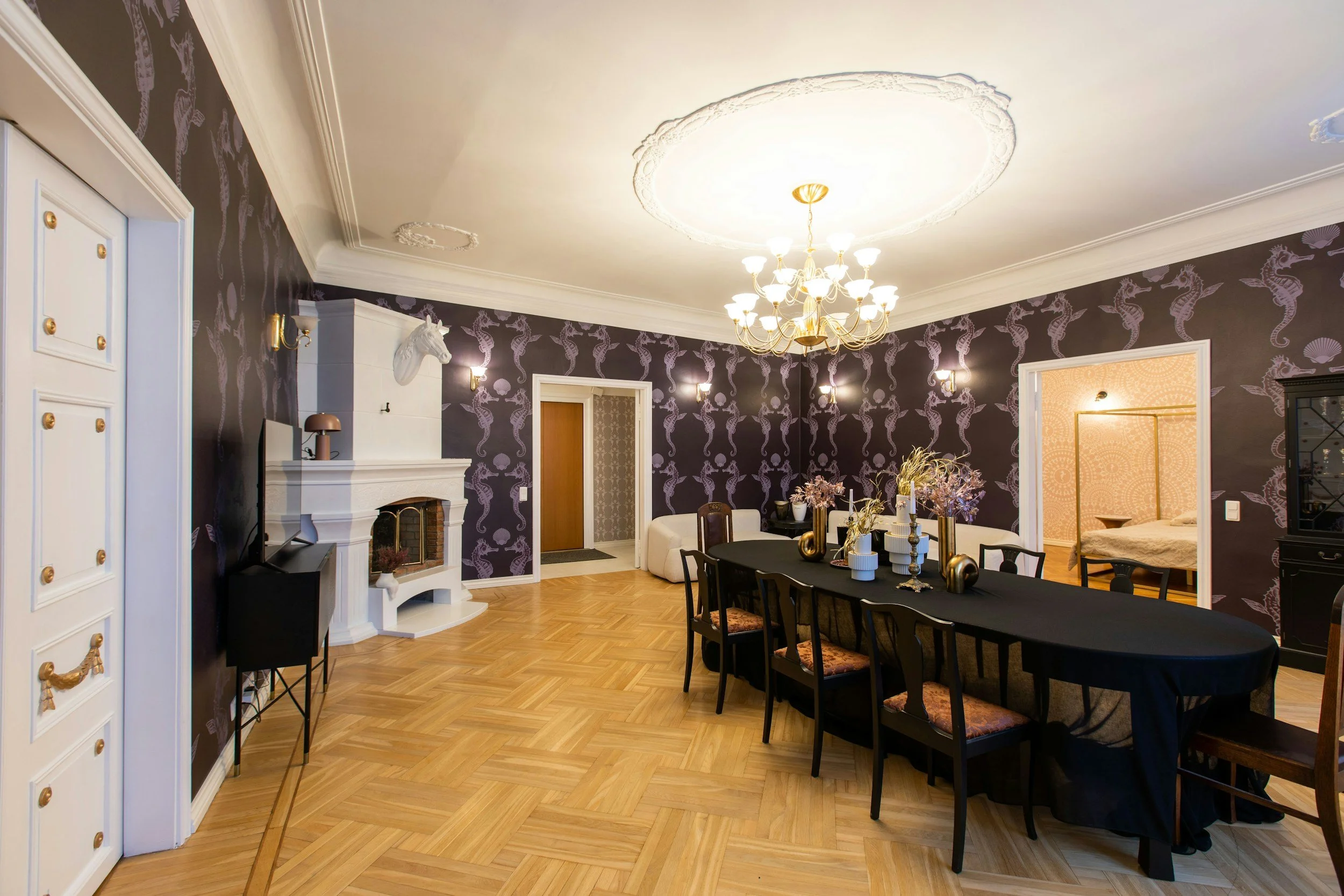
Maximalism is the opposite philosophy: more is more. Pattern on pattern, color on color, and treasures collected from every trip. Think velvet, gallery walls, and prints that clash in a way that somehow works. Jewel tones like violet, berry pink, and deep green are at home here. There are no rules, just joy and storytelling.
Key traits: bold color, layered pattern, full walls and shelves, collected objects, mixed metals.
3. The Mid-Century Modern
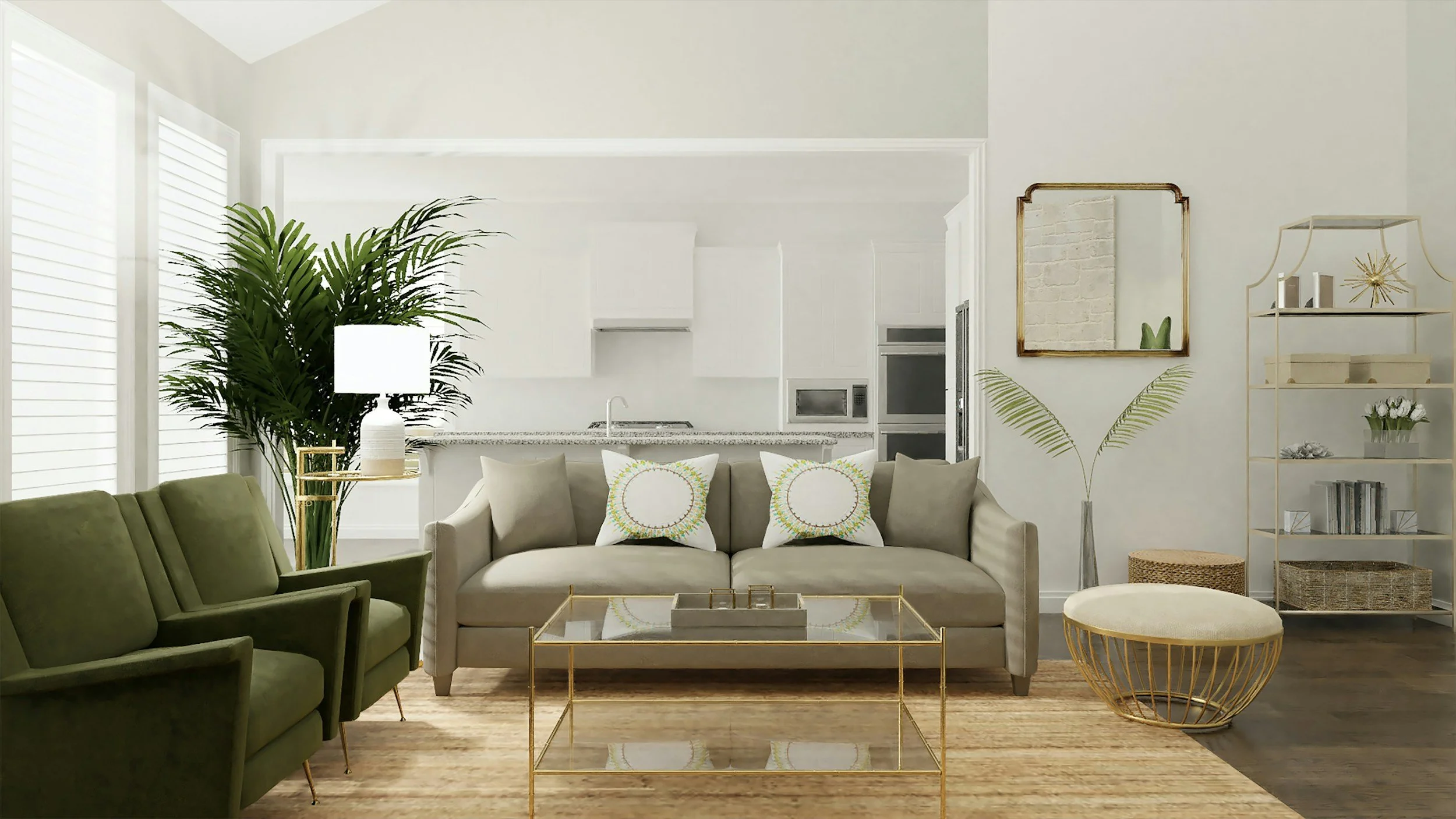
Popular from roughly the 1940s to the 1960s, this style pairs warm wood with clean curves and playful geometry. Teak sideboards, tapered legs, and starburst clocks are signatures, along with a palette of mustard, olive, and burnt orange. People who love this style tend to prize iconic, well-made pieces over anything flimsy or flat-packed.
Key traits: warm wood, organic curves, retro color accents, statement furniture, brushed brass.
4. The Industrialist
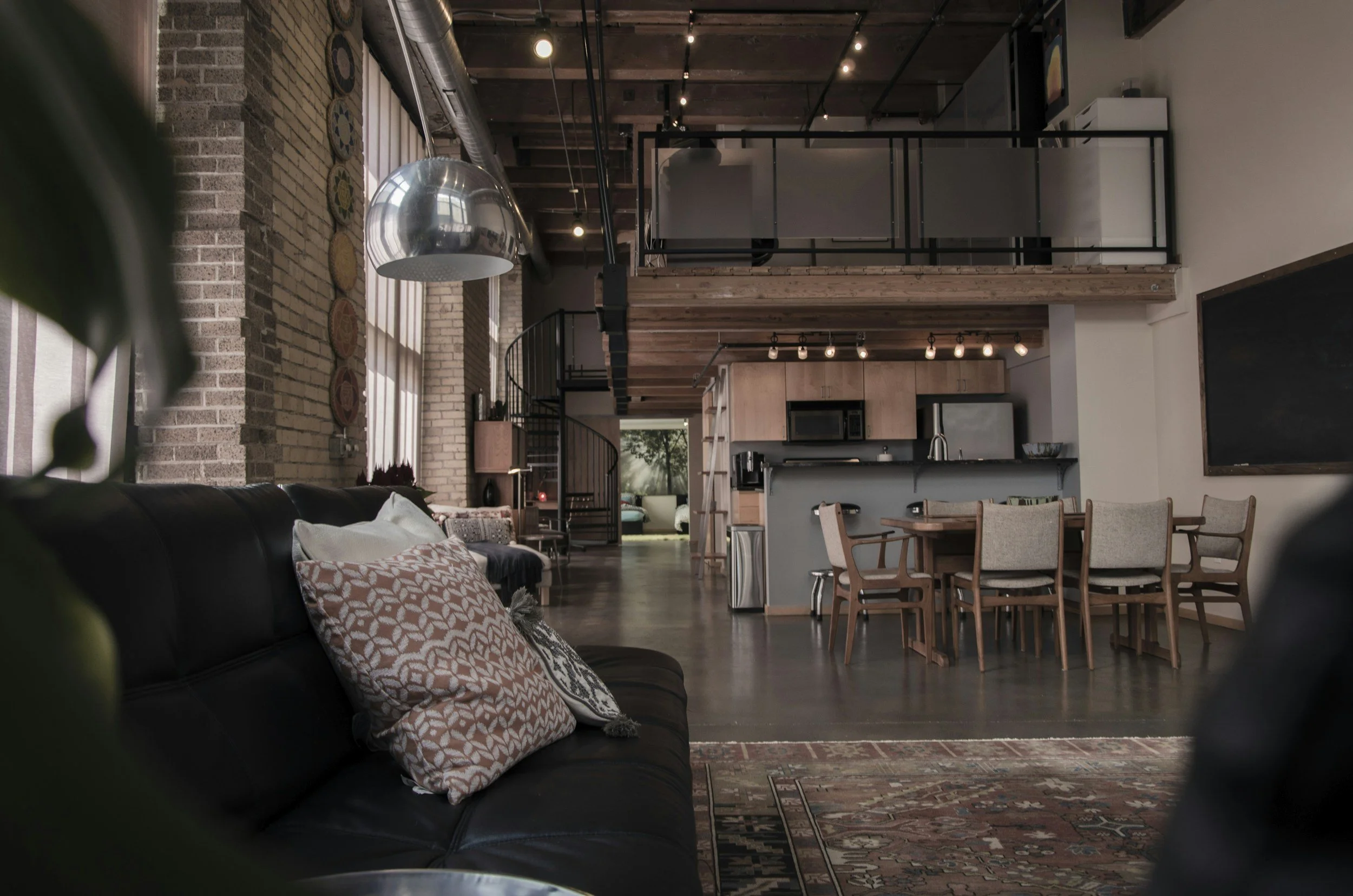
Industrial style trusts things that show how they’re made. Exposed brick, steel shelving, visible structure, worn leather, and big windows define it. The palette stays in black, charcoal, and warm gray, with copper as an accent. It’s practical first and beautiful because of it, and it works in any home when used with a lighter hand.
Key traits: raw surfaces, exposed materials, dark muted palette, metal and wood, matte black or steel hardware.
5. The Modern Farmhouse
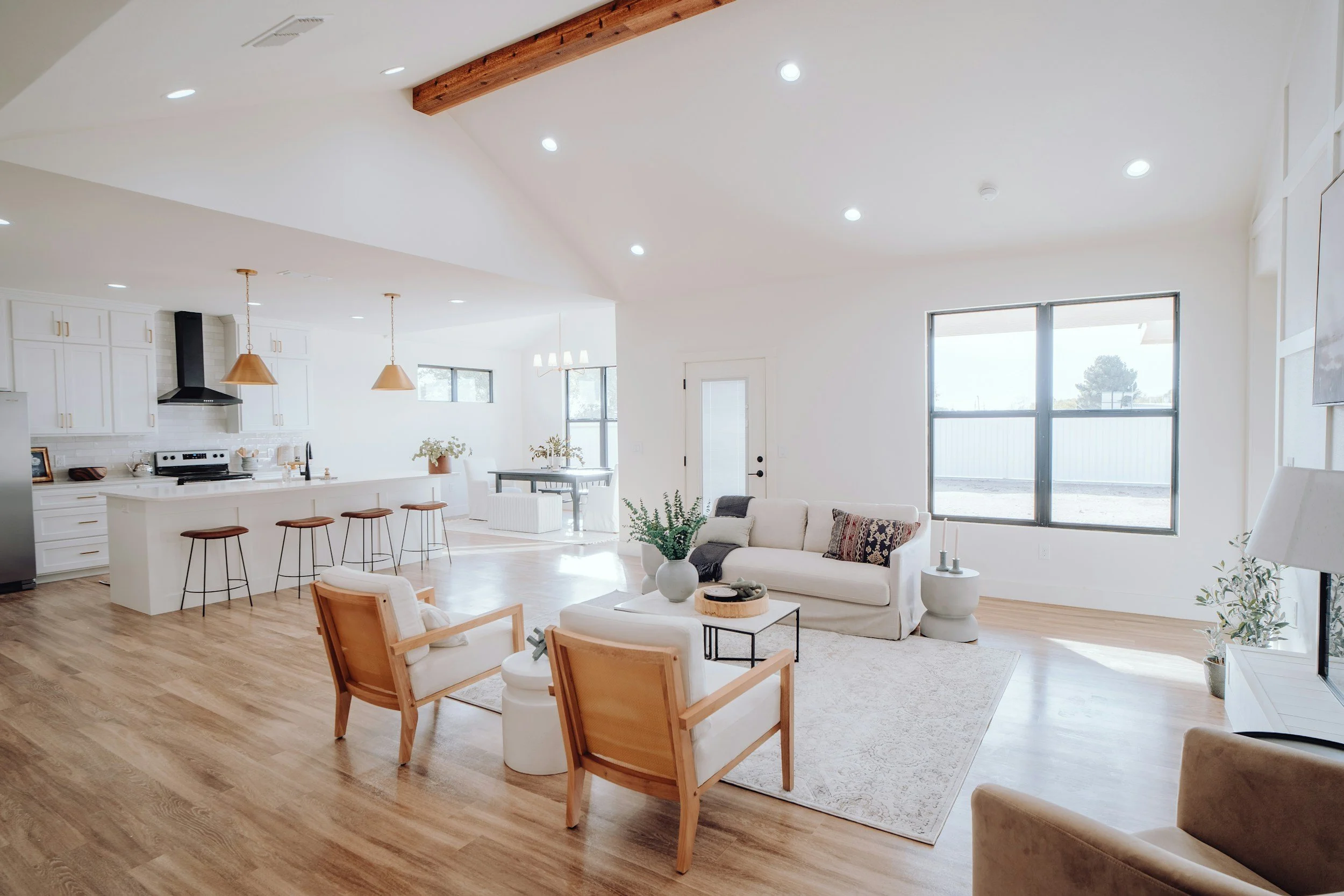
Modern Farmhouse is comfort-first: fresh white walls, worn wood, and black hardware. Shiplap, apron-front sinks, linen slipcovers, and a long wooden table set the scene. The “modern” part means cleaner lines and a more polished finish than classic country style. Everything is made to be used and shared.
Key traits: warm whites, worn wood, black hardware, soft textiles, a welcoming and lived-in feel.
6. The Rustic
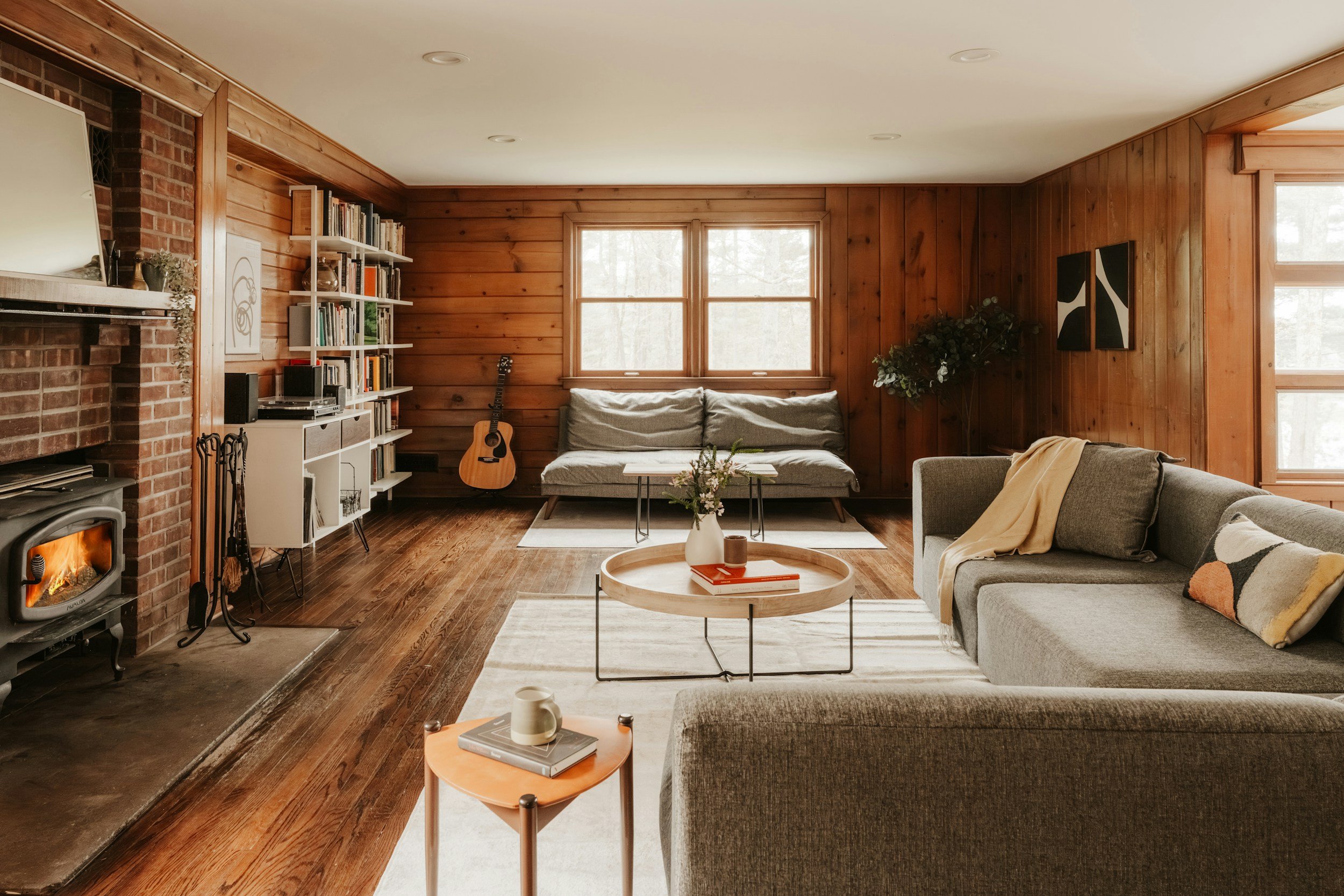
Rustic leans further into nature than Modern Farmhouse. It features heavy timber, stone fireplaces, reclaimed beams, wool throws, and candlelight. Colors come from the woods: forest green, rusty red, and antique white. Imperfection is a feature, and a scratch just means the piece has history. Anything glossy or perfectly uniform feels out of place.
Key traits: natural textures, heavy timber, earthy palette, a hearth as the heart of the room, oil-rubbed bronze or forged iron.
7. The Modern
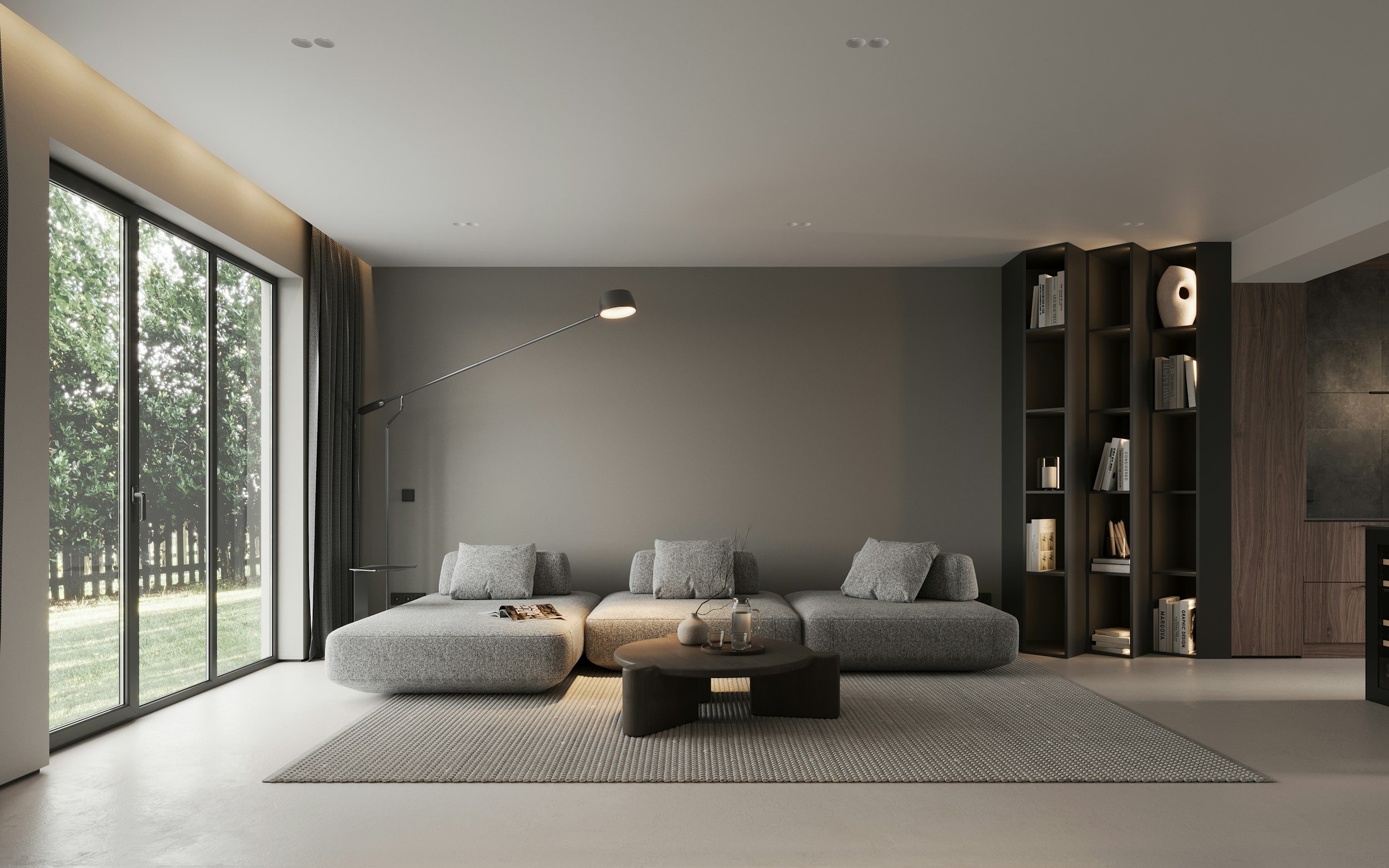
Modern design traces back to early-to-mid 20th-century movements that put function ahead of ornament. Today it means sharp lines, confident choices, and typically one bold move per room, such as a single saturated color against a navy, white, and black base. Glass, polished metal, and statement lighting are common. It’s current, polished, and deliberate.
Key traits: clean geometry, big windows, restrained palette, one bold accent, little fussy ornament.
8. The Coastal
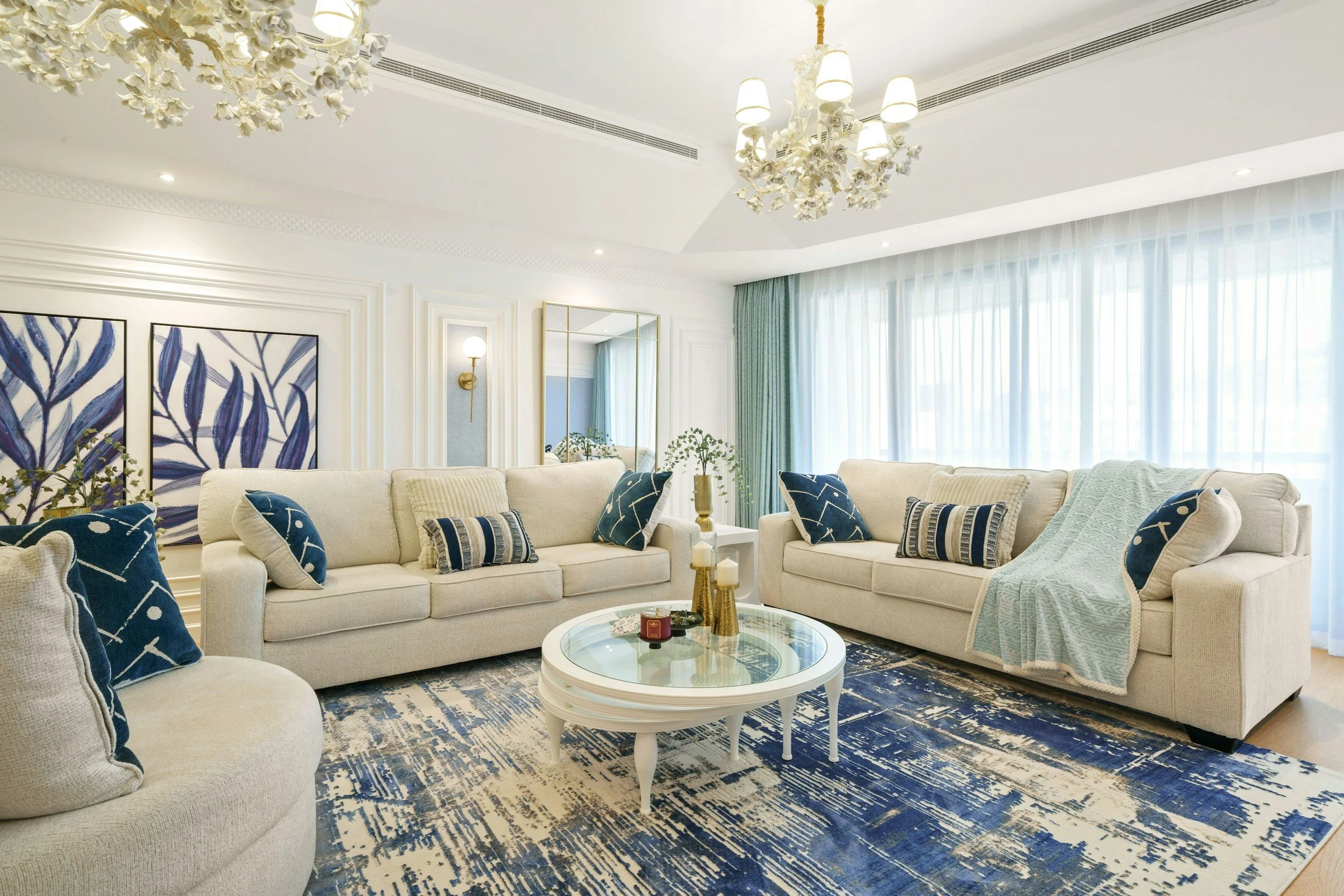
Coastal style makes every room feel like a breeze. Soft blues, sandy neutrals, and sea-glass tones pair with natural fibers like linen and rattan, plus sun-bleached wood and windows that open wide. The goal isn’t anchors and seashells. It’s the feeling of a vacation, so heavy drapes and dark corners don’t belong.
Key traits: light and airy, soft blues and sand, natural fibers, open space, nickel hardware.
9. The Scandinavian
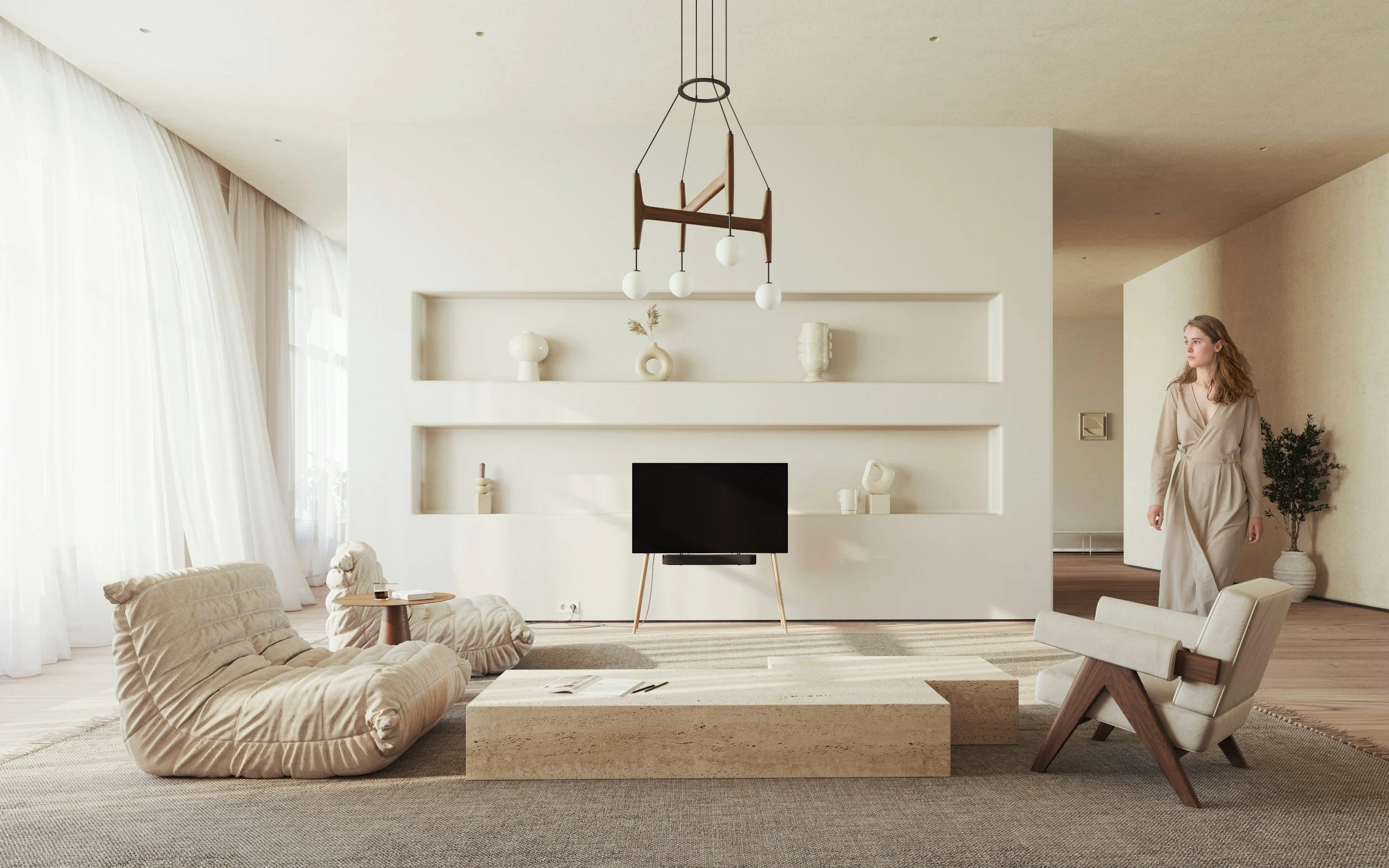
Rooted in the Nordic countries, Scandinavian design is cozy, bright, and quietly practical. Pale woods like birch, soft textiles like sheepskin, candles, and a good reading nook turn a short winter day into something warm. Shapes stay simple, but the room should never feel cold or showy. The Danish idea of hygge, a feeling of coziness and contentment, sits at its center.
Key traits: pale wood, light-filled rooms, soft textiles, simple shapes, functional comfort.
10. The Bohemian
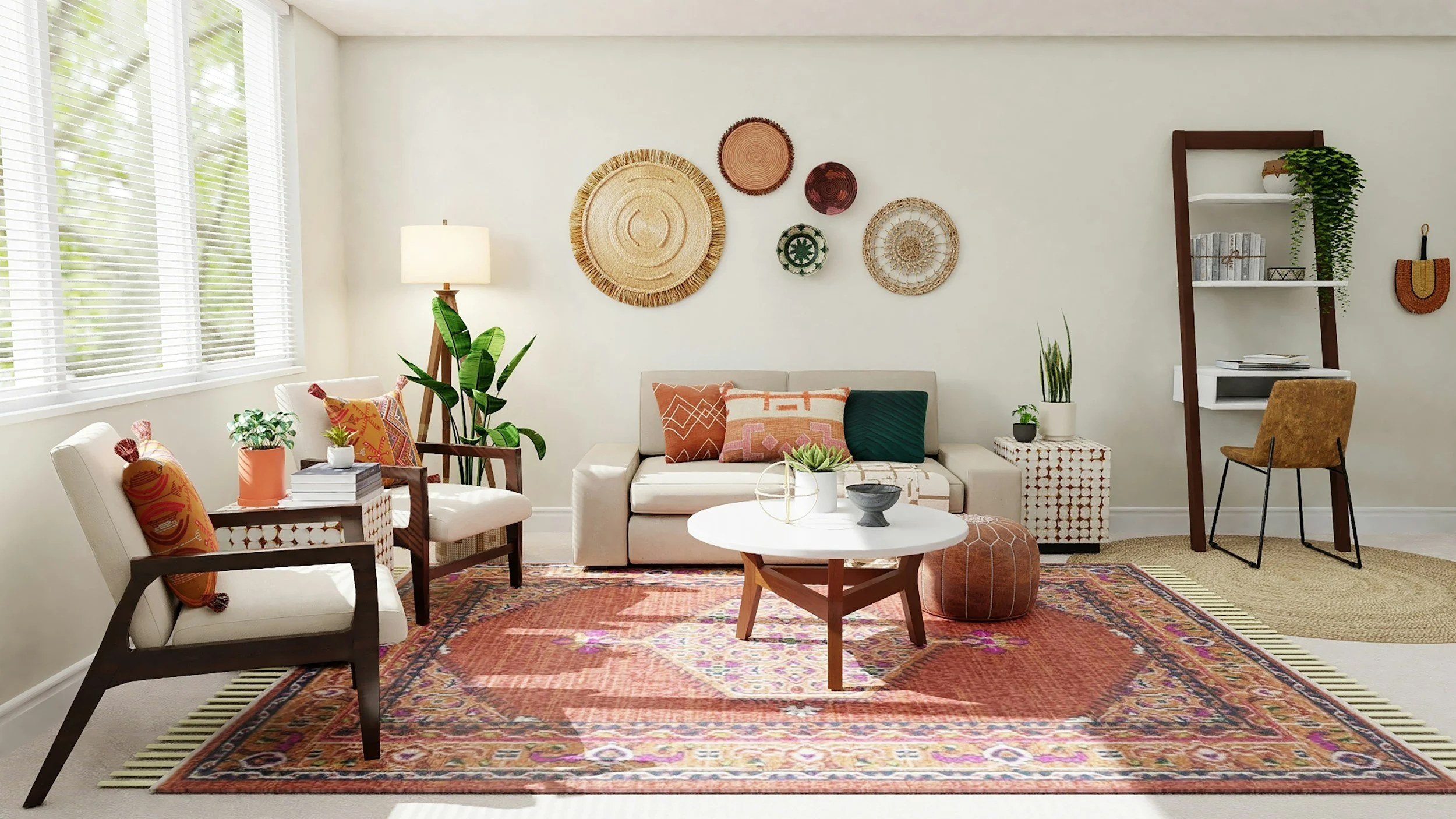
Bohemian design is a collection of places you’ve loved. Layered rugs, hanging plants, macramé, and handmade pieces from everywhere mix freely, and nothing has to match as long as it feels like you. Rich teal, clay, and mustard are common. The best boho rooms look collected over time, not chaotic, and showroom sets feel wrong here.
Key traits: layered textiles, plants, handmade and global pieces, rich earthy color, antique brass and rattan.
11. The Traditional
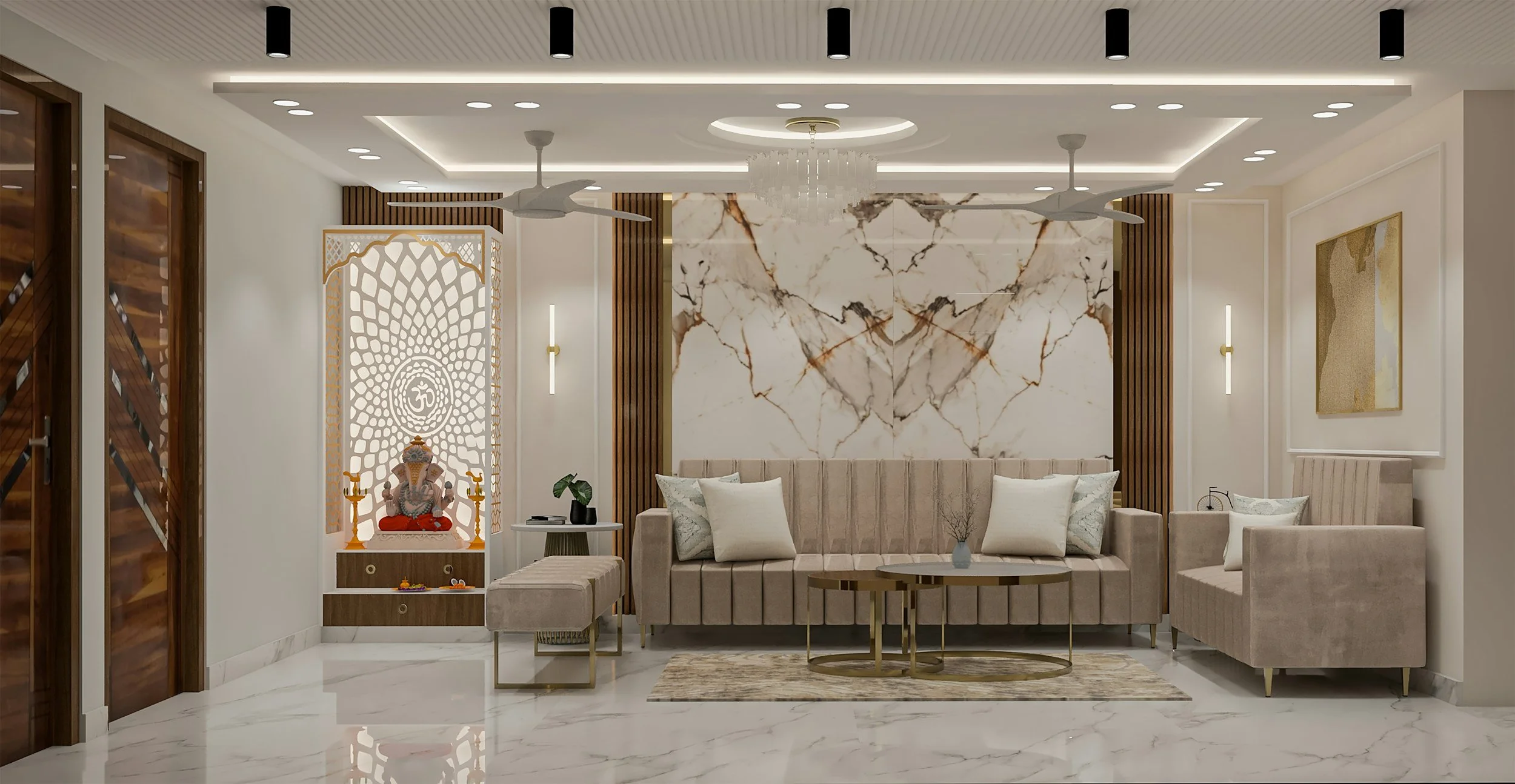
Traditional design values elegance that lasts. It draws on classic European influences with symmetry, rich color, and well-made pieces like wingback chairs, damask, and framed portraits. Deep green, merlot, and antique white are typical, with brass details throughout. Rooms feel settled and considered, with a story in every piece, and they sidestep trends that expire.
Key traits: symmetry, rich color, classic furniture, brass details, timeless formality.
Similar Styles, Different Feelings
Some styles share DNA, which is why people sometimes struggle to choose. These comparisons help:
Modern vs. Minimalist: Both are clean, but Modern is about bold, deliberate moves, while Minimalism strips back much further.
Modern Farmhouse vs. Rustic: Both love wood and warmth, but Farmhouse is bright, white, and polished, while Rustic is darker, heavier, and more raw.
Bohemian vs. Maximalist: Both are layered and colorful. Boho is relaxed, earthy, and handmade, while Maximalism is bolder, more saturated, and more dramatic.
Scandinavian vs. Coastal: Both are light and airy, but Scandinavian is cozier and wood-forward, while Coastal is breezier with a blue-and-sand palette.
Mid-Century Modern vs. Modern: Mid-Century is warm, curvy, and wood-driven. Modern is sleeker and more geometric.
Industrialist vs. Modern: Both favor metal and clean function, but Industrial celebrates raw, worn textures while Modern prefers polish.
If you see yourself in more than one style, that’s normal. Most people have a primary style and a secondary influence.
Putting It to Work
Once you have a sense of your style, here’s how to use it:
Start with the big pieces. Sofa, bed, rug, and large lighting set the tone. Smaller items are easier to adjust later.
Pick a palette of three to five colors. Let your style suggest the mood, then keep your choices consistent from room to room.
Repeat materials and finishes. Seeing the same wood tone or hardware finish in several places ties a space together.
Add personality last. Art, books, and sentimental objects make a room yours, whatever its style.
Edit as you go. If something doesn’t fit the feeling you’re after, it’s okay to let it go.
Ready to Find Yours?
You now have the vocabulary and the framework to understand what you’re drawn to and why. The next step is finding out where your own tastes land. Take the quiz below to discover which of these 11 styles fits you best, and use your result as a starting point for your next design decision.